


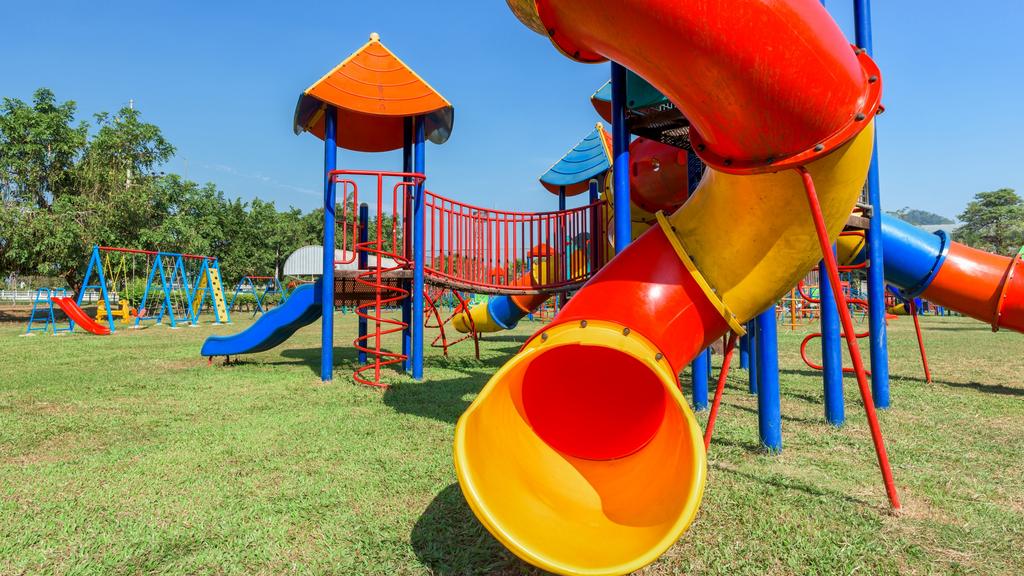
New research has highlighted significant inequalities in access to playgrounds and green space across Australia, with some suburbs home to thousands of children but lacking any local play facilities. The study analysed child population data against the availability of public playgrounds and green spaces, revealing gaps in recreational infrastructure that directly impact community access to safe play environments.
Several suburbs in Queensland, Western Australia, and New South Wales were identified as having no playgrounds despite large child populations. Locations such as Marsden and Inala in Queensland, South Hedland and Waikiki in Western Australia, and Green Valley in New South Wales were among those with no playgrounds available per 1,000 children.
The research also assessed access to broader green spaces, including parks and open areas, identifying suburbs with limited outdoor environments for recreation. Punchbowl in New South Wales was highlighted as having only one green space serving more than 4,500 children, indicating high pressure on existing facilities and limited opportunities for outdoor play.
These findings point to disparities in planning and provision of play infrastructure, particularly in areas experiencing population growth. Limited access to playgrounds and parks can affect opportunities for physical activity, social interaction, and overall child development, reinforcing the importance of adequate distribution, design, and maintenance of public play spaces within communities.