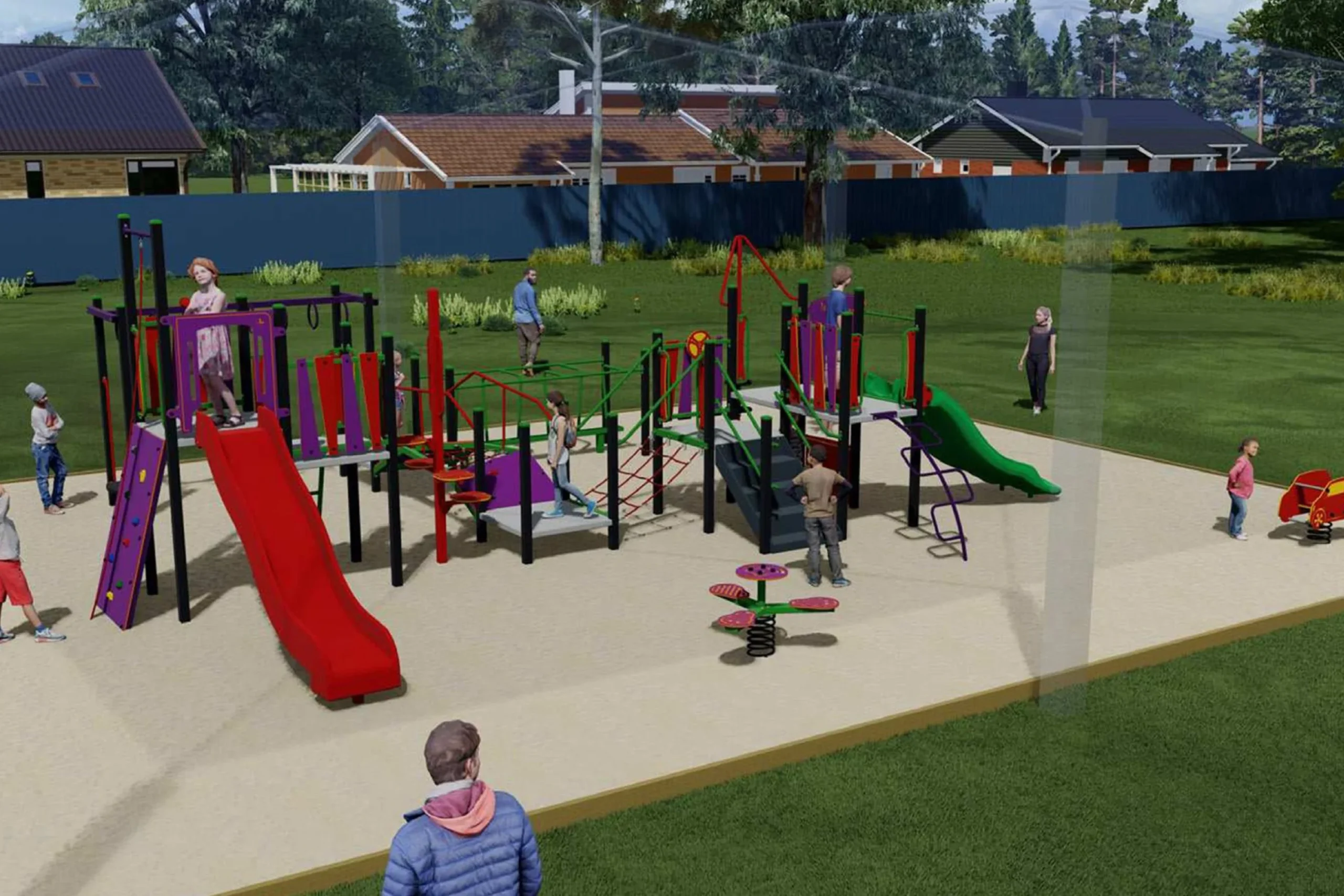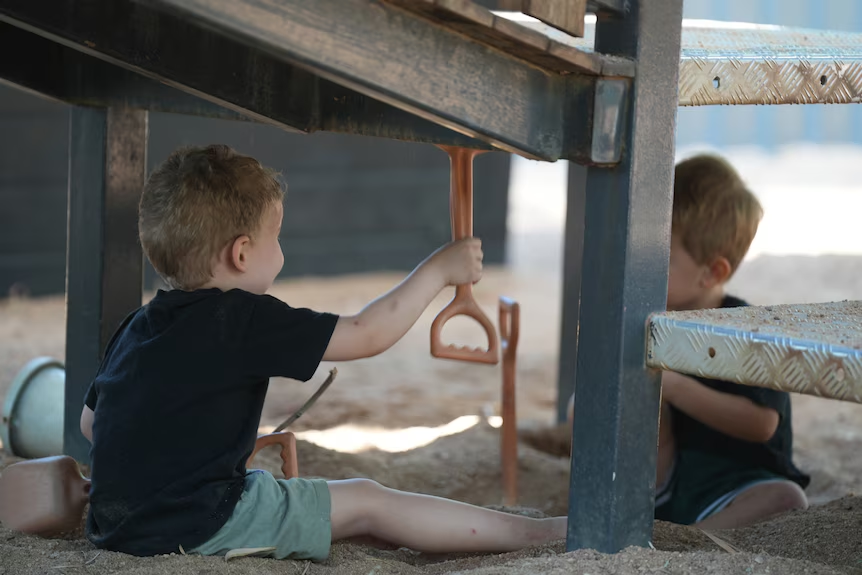


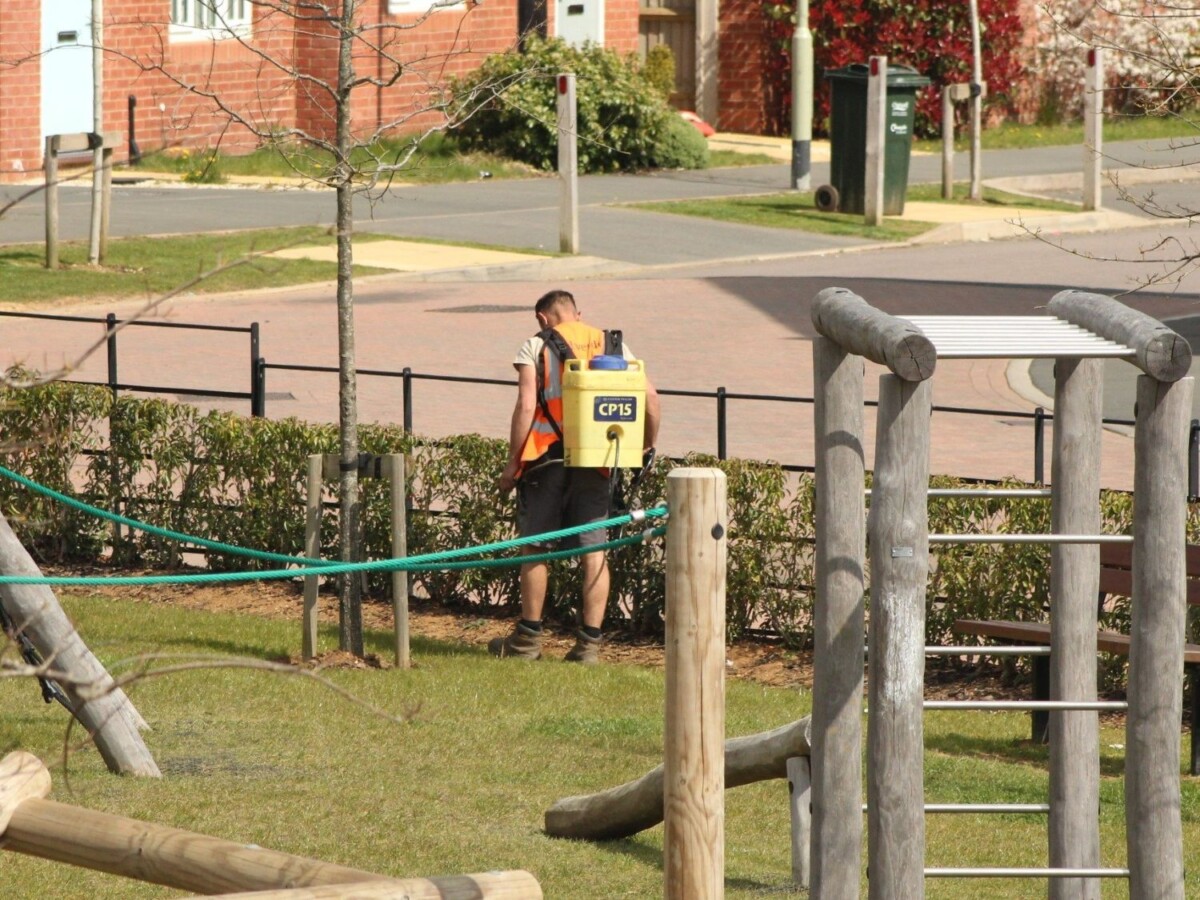
Children may be coming into contact with the controversial weedkiller glyphosate while playing in public playgrounds, according to campaigners who recently tested play spaces across several regions.
Glyphosate has been classified by the World Health Organization as a probable human carcinogen since 2015. Despite this, campaigners say thousands of litres of glyphosate-based herbicides continue to be used by local authorities in public green spaces.
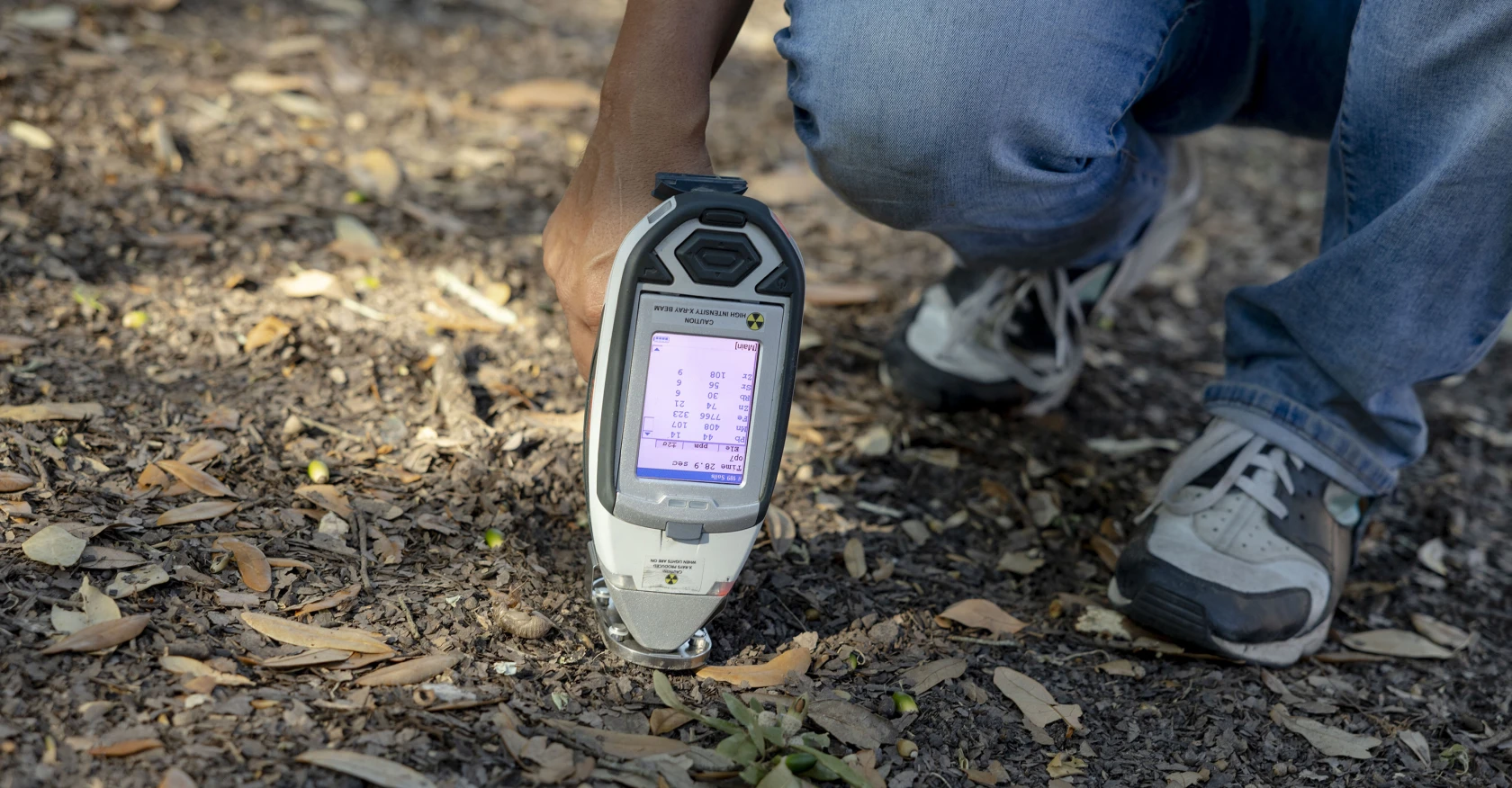
Environmental advocates conducted swab and soil testing at 13 playgrounds and found traces of glyphosate, or its breakdown product aminomethylphosphonic acid (AMPA), at eight of them. The findings have intensified long-standing concerns about the routine application of glyphosate in parks, playgrounds, sports fields, cemeteries and along pavements. While the chemical remains authorised for use in public areas, opposition to its widespread application has grown steadily in recent years.
Health concerns linked to glyphosate extend beyond cancer. Professor Michael Antoniou, a specialist in molecular genetics and toxicology, has warned that exposure to glyphosate-based herbicides is associated with a range of serious health conditions. These include fatty liver disease, kidney disease, and multiple forms of cancer, including leukaemia.
Campaigners argue that the presence of chemical residues in areas designed specifically for children raises urgent questions about current maintenance practices and whether safer alternatives should be prioritised in places where young people play, explore and learn.