

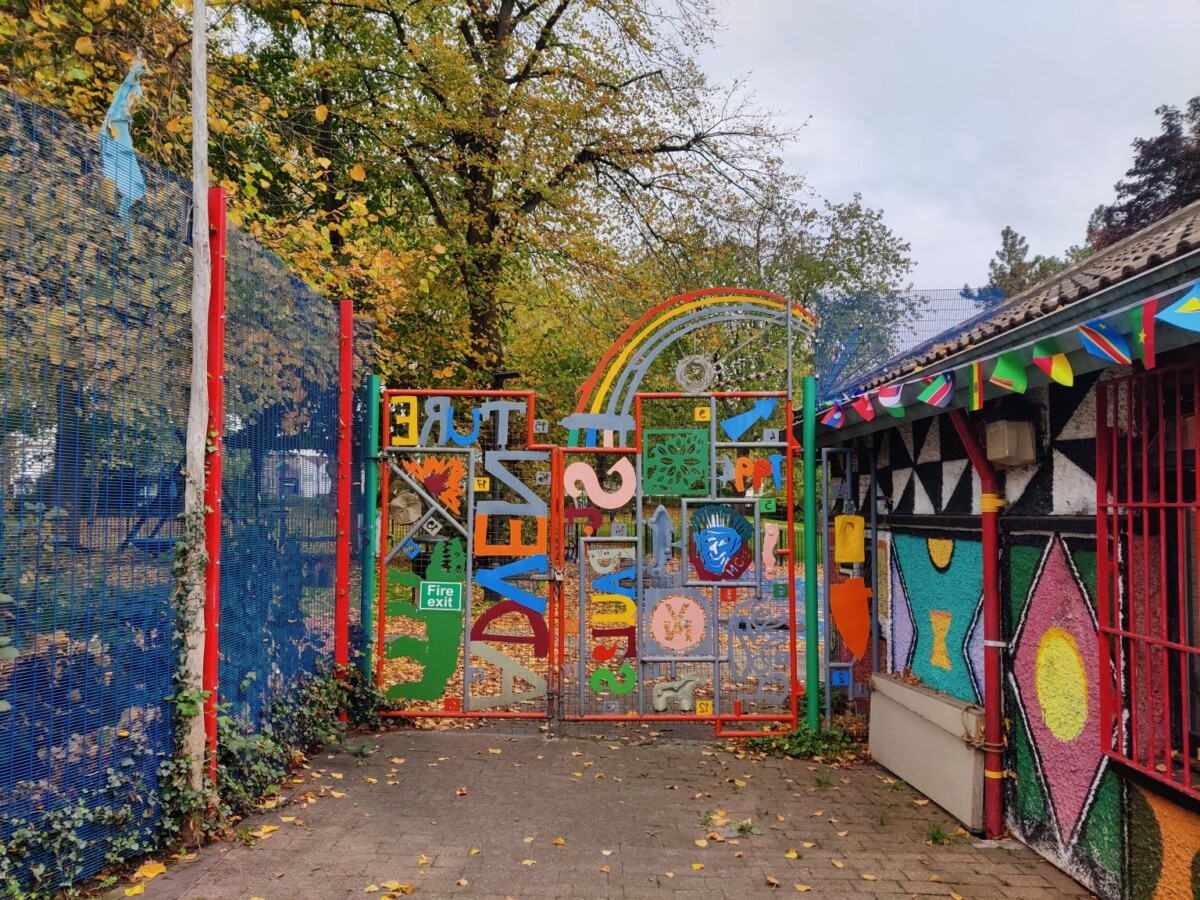
A community organiser from The Cable explores the history and enduring spirit of adventure playgrounds, spaces built on trust, challenge and freedom rather than control.
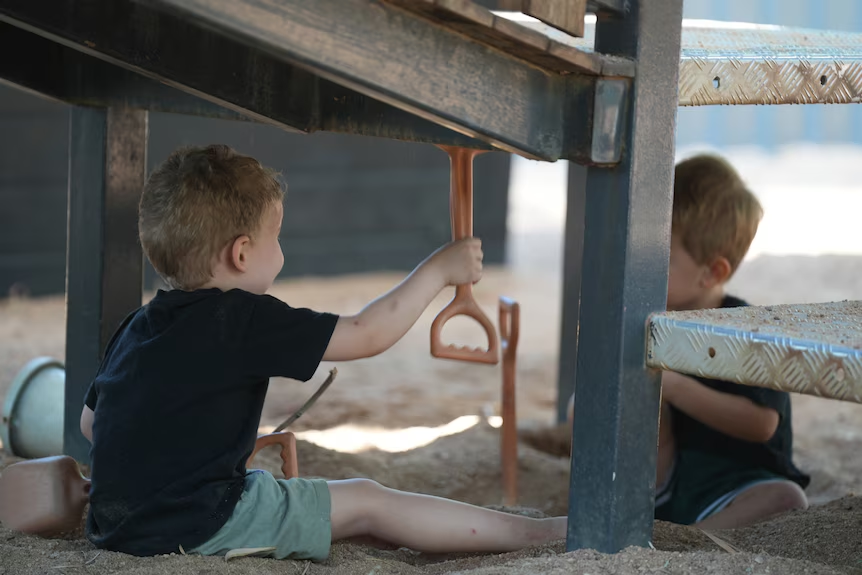
The concept began in 1940s Denmark, when landscape architect Carl Theodor Sørensen observed that children ignored conventional playgrounds and preferred to create their own play environments. In response, he pioneered skrammellegepladser, or “junk playgrounds,” the first opening in 1943 on a former bombsite. Children were given tools and free rein to build, dig and experiment using discarded materials such as wood, ropes, tyres and scrap metal. The aim was not neatness, but empowerment.
The idea spread internationally after Lady Marjory Allen introduced it to the UK in 1946. During the 1960s and 1970s, more than 35 adventure playgrounds were established, embedding risk, creativity and independence into play.
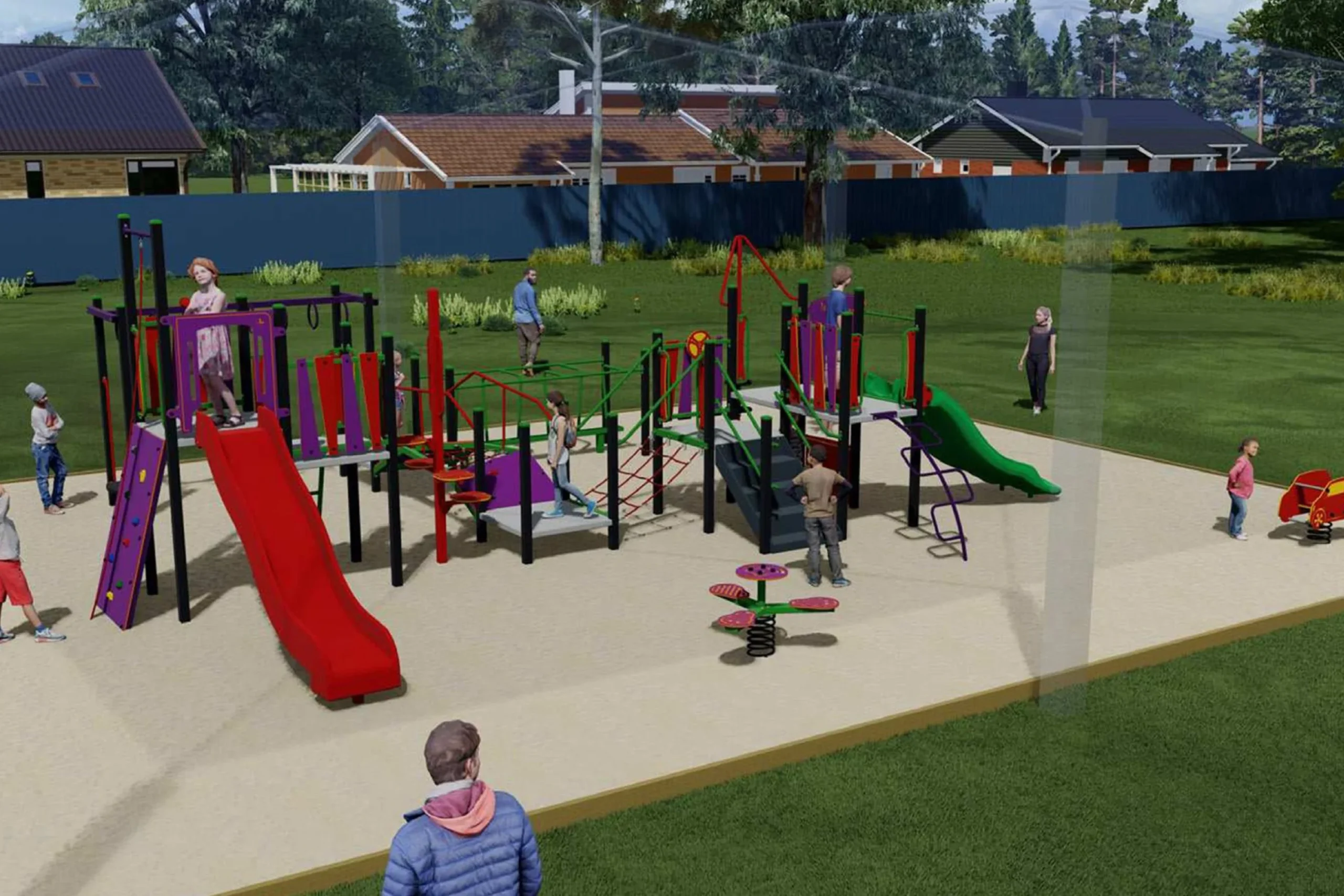
Unlike modern playgrounds designed for visibility, standardisation and risk elimination, adventure playgrounds centre on “controlled risk.” Children are encouraged to test boundaries, climb, build, use tools and make mistakes within a supervised but non-directive environment. This philosophy gave rise to the playwork movement, where adults support play without controlling it.