
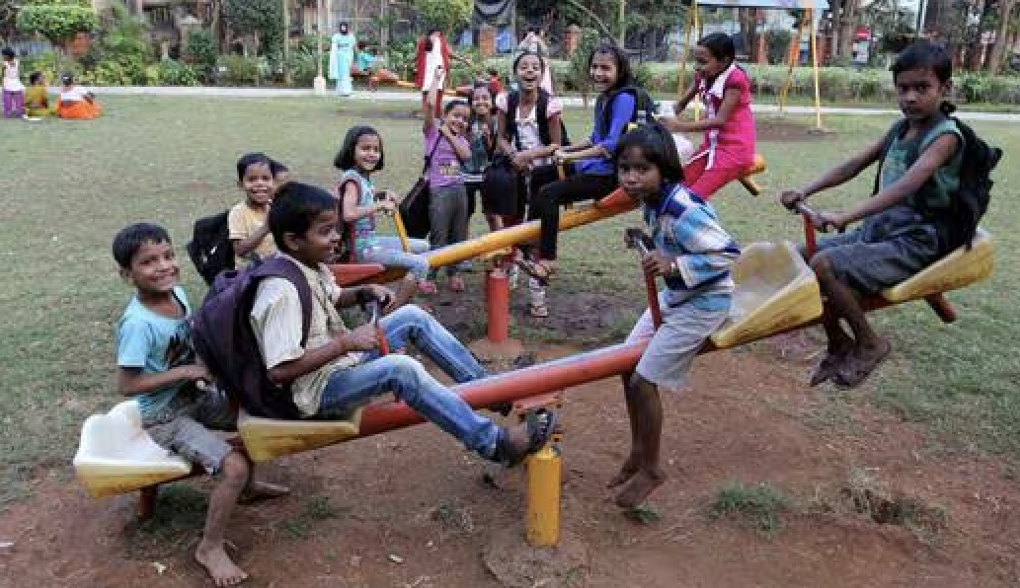
Public parks and playgrounds are intended to provide open recreational spaces for all children, but barriers related to accessibility and social attitudes can prevent some children from participating. The issue gained attention after a child with cerebral palsy was reportedly denied access to a swing at a park in Delhi, highlighting ongoing challenges faced by children with disabilities in public play spaces.
Experts say outdoor play is important for children’s social interaction, development and wellbeing, and can act as a form of therapy for children with disabilities. Inclusive design and equal access to public play spaces will ensure that children of all abilities can participate in recreation and social activities. Enforcing disability rights legislation and promoting public awareness to ensure playgrounds and parks are welcoming and accessible to everyone is crucial.
Right now, many parks remain poorly designed for inclusive use. A study of public parks in Delhi found that fewer than half had facilities for children, and those that did rarely considered the needs of children with disabilities. Physical barriers such as inaccessible entrances, uneven pathways and a lack of accessible toilets can limit participation.