
The Cost of Reactive Safety: When Finished Playgrounds Can’t Open
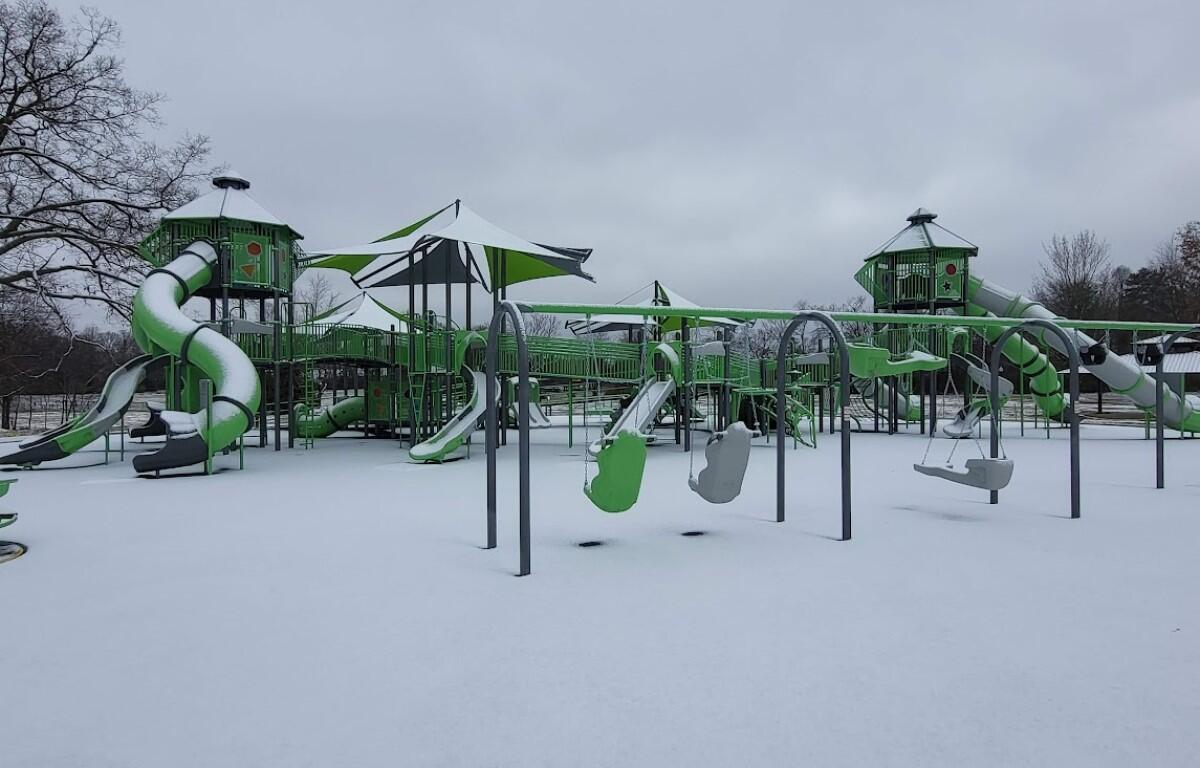
A brand new 13,000 square foot inclusive playground in Hopkinsville, Kentucky sits completed but closed to the public until spring. While the impressive facility is physically ready, something is preventing children from enjoying it. This situation perfectly illustrates why proactive playground safety beats reactive approaches every single time.
The Hidden Costs of “We’ll Fix It Later”
The Hopkinsville playground closure is due to practical concerns: preventing mud from staining the poured rubber surface during winter months while grass installation and signage are completed. However, delayed openings typically result from preventable issues:
- Standards compliance problems discovered after construction
- Safety concerns identified during final inspections
- Surfacing or fall height issues requiring correction
- Incomplete documentation or certification requirements
- Weather-related installation problems that could have been
avoided with better planning
The result? A completed playground that children can see but can’t use – and a community left disappointed.
What Reactive Safety Really Costs
When organisations take a “build first, check later” approach to playground safety, the consequences extend far beyond delayed openings:
Financial Costs:
- Emergency retrofitting and corrections
- Extended contractor involvement
- Additional inspection fees
- Lost opportunity costs during closure
- Potential liability exposure
Community Costs:
- Broken promises to families and children
- Eroded trust in local government or organisations
- Negative media attention
- Reduced community engagement
Operational Costs:
- Staff time managing complaints and communications
- Rushed decision-making under pressure
- Compromised relationships with contractors
- Delayed benefits to children who need safe play spaces
The Proactive Alternative
At Playground Safety Inspectors Australia, we’ve seen this scenario play out repeatedly—and we know it’s entirely preventable. Here’s how proactive safety changes the outcome:
1. Design Phase Consultation
Engage certified playground safety inspectors before construction begins. Identify potential compliance issues while they’re still on paper, not concrete.
2. Standards Compliance from Day One
Ensure Australian Standards (AS 4685 and related standards) are integrated into every design decision. No surprises during final
inspections.
3. Staged Inspections
Don’t wait until completion to verify safety. Conduct inspections at critical milestones: post-installation, post-surfacing, pre-opening.
4. Seasonal Planning
Factor in weather, curing times, and seasonal considerations during project planning—not as afterthoughts.
5. Documentation and Certification
Maintain comprehensive records throughout the project. When opening day arrives, you’re ready—not scrambling.
The Result? Projects That Open on Time
When organisations take a proactive approach to playground safety:
- Construction proceeds smoothly without costly surprises
- Final inspections confirm what’s already known: compliance is achieved
- Opening day celebrations happen as scheduled
- Children benefit immediately
- Communities trust the process and the outcome
Don’t Let Your Playground Sit Empty
Whether you’re planning a new playground, upgrading existing facilities, or managing multiple play spaces across your organization, PSIA’s certified training and inspection services ensure your projects open on time, on budget, and in full compliance with Australian Standards.
Our team brings over 90 years of combined internationally recognized expertise to every project. We help you prevent the “finished but closed” scenario through comprehensive proactive safety protocols.
Ready to Build It Right the First Time?
Contact us today to discuss how our expert guidance can keep your playground projects on track from planning through opening day—and beyond.