


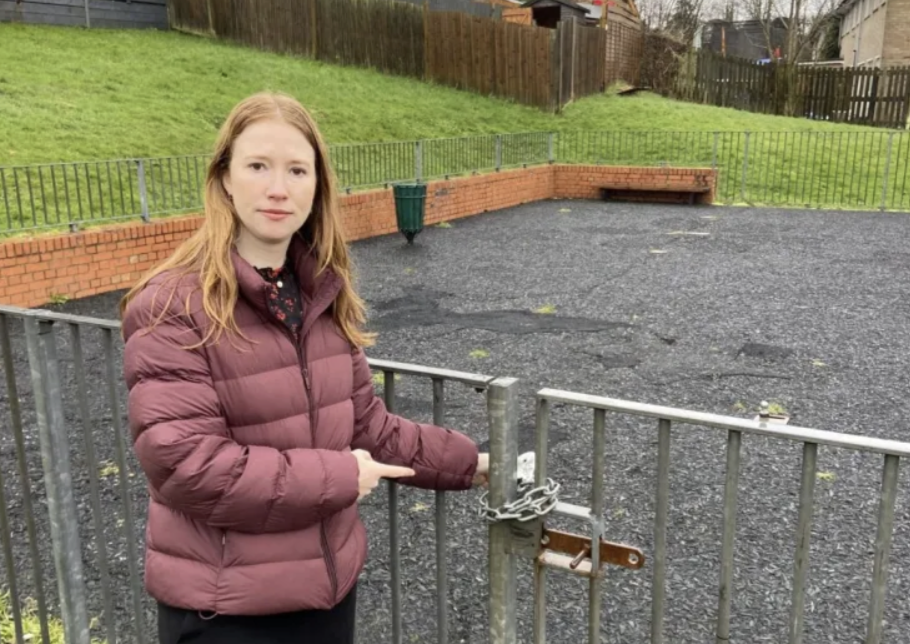
Multiple playgrounds in Hastings have been closed or left unusable over the past decade, highlighting a broader national decline in accessible play spaces. At least eight playgrounds in the town have been shut since 2014, with some sites padlocked and overgrown, while others have had equipment removed entirely. In some cases, ownership and responsibility for maintenance remain unclear, contributing to prolonged closures.
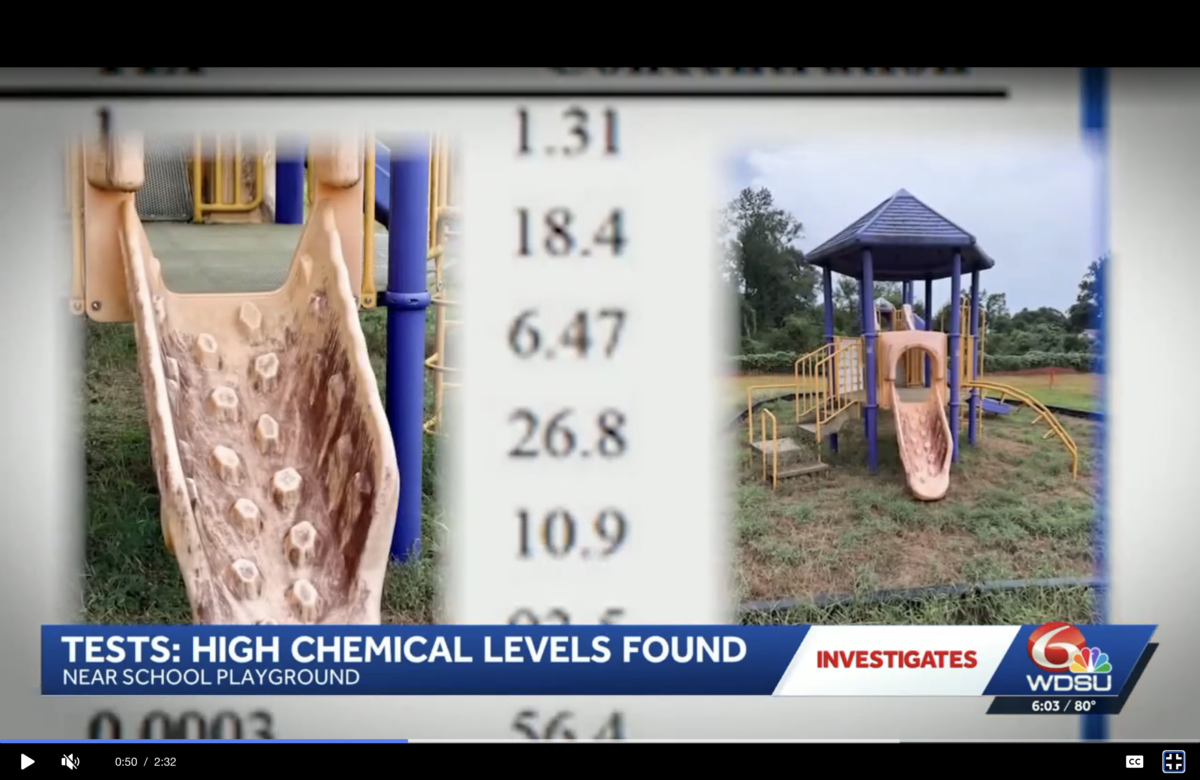
Several affected playgrounds are located within housing estates, where facilities were originally installed but later removed or locked due to safety concerns, vandalism, or funding constraints. Reports of damaged equipment, including hazards such as nails embedded in slides, have led to closures in some locations. In other cases, lack of maintenance and unclear accountability have resulted in spaces becoming unusable.
The closures disproportionately impact more deprived areas, where children have fewer alternatives for outdoor play. While higher-quality playgrounds exist along the seafront, access may require transport, limiting use for residents. This has contributed to reduced opportunities for safe, free play within walking distance of homes.
Nationally, around 800 playgrounds have closed across the UK since 2013, and many children lack access to a play area within a short walking distance. Outdoor play has also declined significantly over time, raising concerns about impacts on children’s health and wellbeing.
Government funding has been allocated to refurbish playgrounds, alongside proposals for improved planning requirements to ensure new developments include play spaces. Local authorities and housing associations remain responsible for installation and maintenance, with ongoing discussions aimed at reopening or upgrading existing facilities.