
New data shows that kindergarten readiness varies widely by household income, with children from lower-income families more likely to begin school behind in areas such as language development, social-emotional skills and early literacy. The findings draw on national survey data and highlight that early developmental gaps often emerge well before children enter formal education.
The discussion places strong emphasis on the role of early learning environments and experiences during the first five years of life, noting that access to quality early childhood programs is uneven across income levels. Children from higher-income households are more likely to benefit from structured early education settings that support communication, motor skills, social interaction and confidence-building activities before kindergarten.
Cities and local authorities are responding by expanding early childhood initiatives, including publicly funded pre-kindergarten programs and community-based supports. These programs often incorporate developmentally appropriate play, physical activity and social engagement as part of broader readiness strategies, recognising that learning does not occur solely through academic instruction.
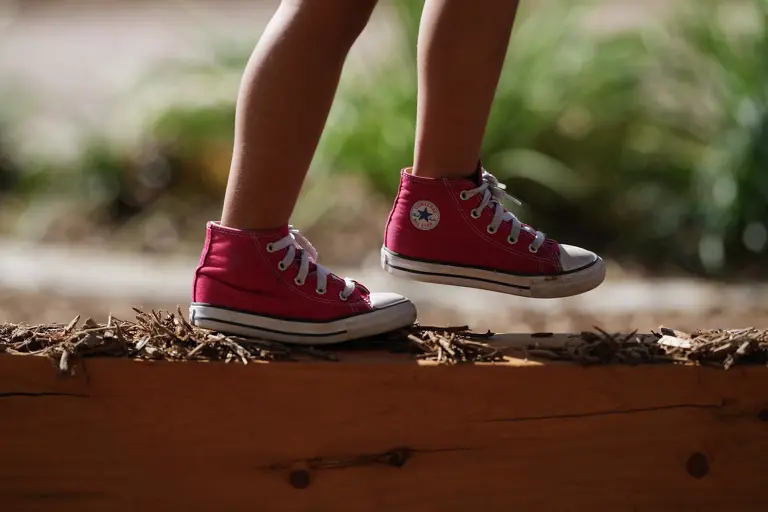
While the data focuses on education outcomes, it reinforces the importance of the environments in which children grow and learn prior to school entry. Access to supportive, well-designed early learning settings, including spaces that allow for movement, interaction and exploration, is increasingly viewed as a key factor in helping reduce readiness gaps linked to income.
The findings underscore that investments in early childhood infrastructure and programming play a significant role in shaping school readiness, particularly for children who may otherwise have limited access to structured early learning opportunities.